Send a Whatsapp Message
 Free shipping on orders above £49
Nursing school can be one of the most challenging — and rewarding — experiences of your life. We asked some on-the-job nurses what they would tell someone just starting out in school, and a few pieces of advice came up over and over again.


Stethoscope Littmann
Nursing school can be one of the most challenging — and rewarding — experiences of your life. We asked some on-the-job nurses what they would tell someone just starting out in school, and a few pieces of advice came up over and over again.

Your stethoscope has supported you through hundreds of patient exams, helping you hear thousands of heartbeats and belly gurgles. How do you know when it’s time to replace one of your most-used medical instruments? Raided: Your stethoscope was stolen… by a colleague. We’ve heard this story a lot! It may be an honest mistake, but it’s […]

No other medical instrument is know like a stethoscope. From kids in pediatrics to elderly in geriatrics, stethoscope is well known.
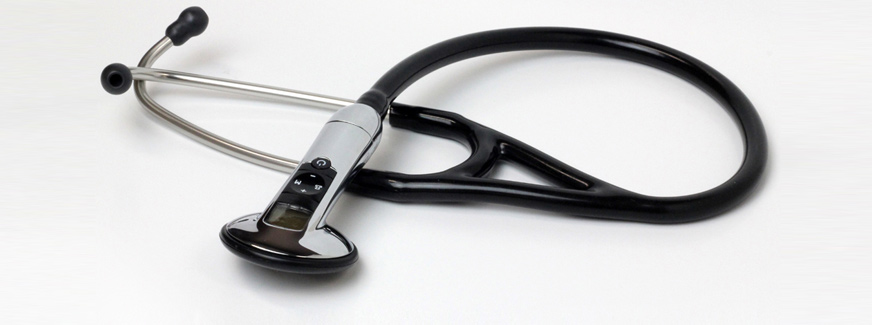
Don’t miss the sounds you need to hear.
3M™ Littmann® Electronic Stethoscopes Model 3100 and Model 3200 are a bit more complicated to use than a mechanical Littmann stethoscope. But if you take a few minutes to learn the ins and outs of these amazing instruments, you’ll be rewarded with an exceptional auscultation experience.

Cardiac auscultation is a skill that takes practice. Lots of practice. We’ve developed a handy educational poster to use as a reference when listening for subtle heart sounds with your 3M™ Littmann® Stethoscope.
You’ll find a diagram of the heart with key auscultation sites indicated. Visualization of the aortic, pulmonic, tricuspid and mitral areas clarify where to place your stethoscope during a clinical examination to listen to heart sounds. There’s also a detailed description of the heart cycle that will help you review the basics of cardiac auscultation.