Send a Whatsapp Message
 Free shipping on orders above £49
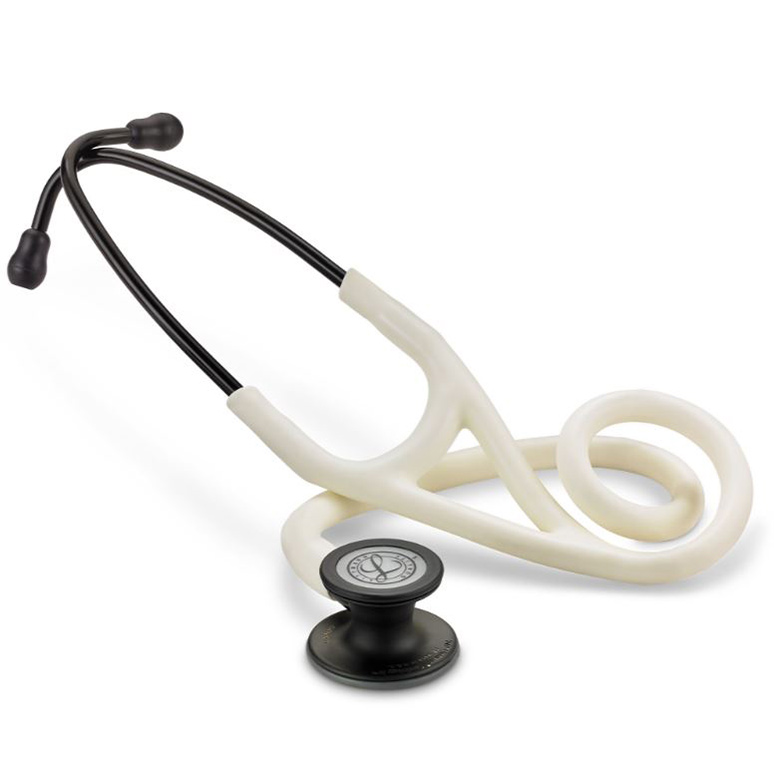

The best stethoscope for veterinary practice is a question most vet students and newly qualified clinicians face without nearly enough information. In addition, the acoustic requirements of veterinary auscultation differ meaningfully from human medicine — different species, different heart rates, different body wall thicknesses — so this cannot be answered with a simple copy of what doctors use. Because I have spent 9 years in mixed small and large animal practice in the Netherlands using multiple instruments, this guide covers exactly what vets need to know.
By Dr. Sophie Van den Berg, DVM — Veterinarian, Mixed Practice, Netherlands. Published every Thursday.
Do Vets Use the Same Stethoscopes as Doctors?
Yes — and this surprises many people outside the profession. In addition, the Littmann range is the most commonly used stethoscope brand in veterinary practice across Europe and North America. Because the acoustic principles of auscultation are the same whether your patient has two legs or four, the same instruments that cardiologists use to detect human murmurs are equally valuable for detecting feline hypertrophic cardiomyopathy or equine cardiac arrhythmias. Furthermore, Littmann’s quality, durability and warranty support make it the practical professional choice for vets who need an instrument that performs for years. Therefore, yes — vets use the same stethoscopes as doctors, and the Littmann range is the right starting point.
The Acoustic Challenge of Veterinary Auscultation
First, it is worth understanding why veterinary auscultation is acoustically demanding in specific ways. As a result, the best stethoscope for a vet is not necessarily the same as the best for a GP. Furthermore, a cat’s heart beats at 140–220 beats per minute — roughly twice the rate of a resting human heart — which requires good high-frequency acoustic response. Therefore, high-frequency sensitivity matters for feline cardiology. In addition, large animals present the opposite challenge: the horse’s heart, deep inside a massive chest cavity, requires excellent low-frequency sensitivity through a substantial body wall. Moreover, farm environments are noisy, barn acoustics are poor, and outdoor large animal work is challenging in ways a quiet consulting room never is. In short, stethoscopes for veterinary practice demand genuine versatility.
My Primary Recommendation: The Littmann Classic III
The Littmann Classic III is my primary recommendation for the majority of veterinary practitioners and vet students. In addition, it is the stethoscope I used throughout vet school and for the first several years of clinical practice. Because it delivers excellent acoustic performance across both high and low frequencies, it handles the full range of veterinary auscultation — from feline cardiac murmurs to equine gut sounds — with consistent reliability. Furthermore, the dual-sided chestpiece is particularly useful in mixed practice, where you move between different species throughout the day. Therefore, the Classic III is the versatile, dependable all-rounder most vets need. Browse the full Classic III range — any colour variant delivers identical acoustics.
When to Choose the Littmann Cardiology IV
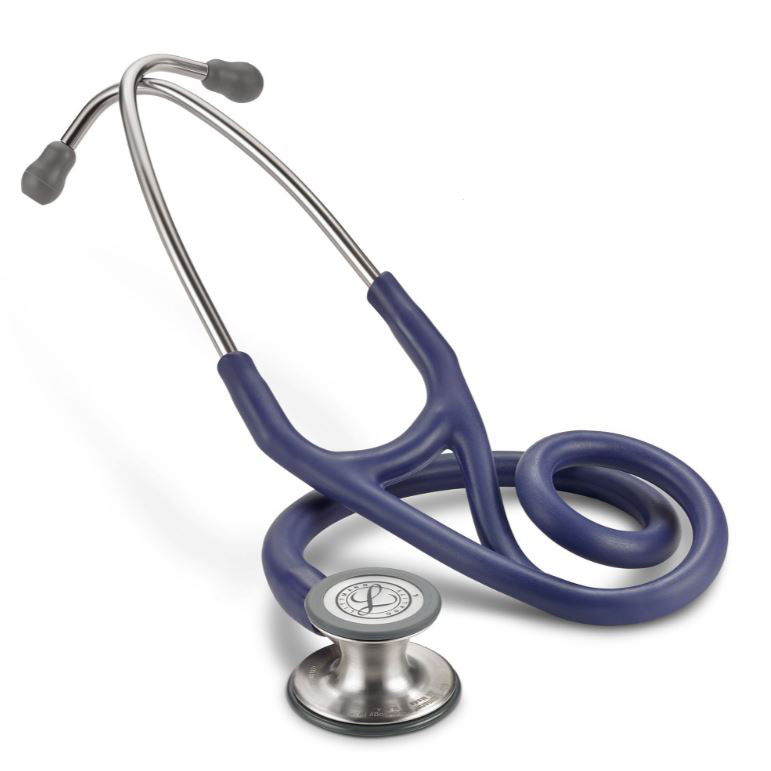
The Littmann Cardiology IV is the choice for vets who do significant cardiology work. In addition, its 40% larger chestpiece delivers noticeably better acoustic sensitivity for detecting subtle murmurs in cats and dogs. Because feline hypertrophic cardiomyopathy is one of the most commonly missed conditions in general practice — partly because the murmur can be subtle — a stethoscope with superior acoustic sensitivity is clinically valuable. Furthermore, the 7-year warranty reflects the build quality of an instrument designed for demanding professional use. Therefore, if cardiac assessment is a significant part of your daily work, the Cardiology IV is a worthwhile investment. For example, I upgraded to the Cardiology IV in my third year and noticed an immediate difference in grading feline murmurs.
Large Animal Auscultation: Specific Considerations
Large animal practice presents specific acoustic challenges worth addressing separately. First, the depth of the horse’s chest cavity means low-frequency sensitivity is particularly important. As a result, the Littmann Classic III performs well for equine auscultation — its balanced frequency response handles gut sounds, lung sounds and cardiac sounds across a large thorax. Furthermore, equine cardiac assessment at a heart rate of 28–44 beats per minute is very different from feline or canine work, and the Classic III handles this range effectively. Therefore, for mixed practice vets seeing both small and large animals, the Classic III remains the primary recommendation. In addition, for dedicated equine vets doing detailed cardiac work, the Cardiology IV’s enhanced sensitivity is worth considering.
The CORE Digital in Veterinary Practice
The Littmann CORE Digital with 40× amplification is increasingly being used in veterinary practice, and I have experimented with it extensively. In addition, its ability to record and share heart sounds is genuinely useful for referring patients to cardiologists. Because its active noise cancellation is valuable in noisy farm and stable environments, it has real practical applications for large animal work. Furthermore, as AI-powered cardiac analysis tools develop in veterinary medicine, CORE Digital users will be positioned to benefit. Therefore, while not essential for most vets today, it is a genuinely interesting tool for practices with a cardiology or telemedicine focus.
Frequently Asked Questions
Can I use a human stethoscope for veterinary work?
Yes — Littmann stethoscopes are used routinely in veterinary practice worldwide. Because the acoustic principles of auscultation are the same across species, high-quality human instruments work effectively for veterinary patients. For very small patients like guinea pigs or birds, the paediatric side of the chestpiece gives better acoustic coupling.
What stethoscope should a vet student buy?
The Littmann Classic III is ideal. Because it delivers reliable acoustic performance across species, comes with a 5-year warranty, and is available at a practical price, it is the smart choice for vet school and well beyond. The Lightweight II SE is a budget alternative if needed.
Do I need a special veterinary stethoscope?
No. There is no meaningful “veterinary stethoscope” category. Because the acoustic requirements of veterinary auscultation are met by the same high-quality human medicine instruments, dedicated “vet stethoscopes” from lesser-known brands are generally inferior to a Littmann Classic III and should be avoided.
Browse all Littmann stethoscopes at Stethoscope24 | Learn more at Littmann.com
About the author: Dr. Sophie Van den Berg is a veterinarian with 9 years of mixed practice in the Netherlands. She publishes every Thursday at 8:00 AM CET.